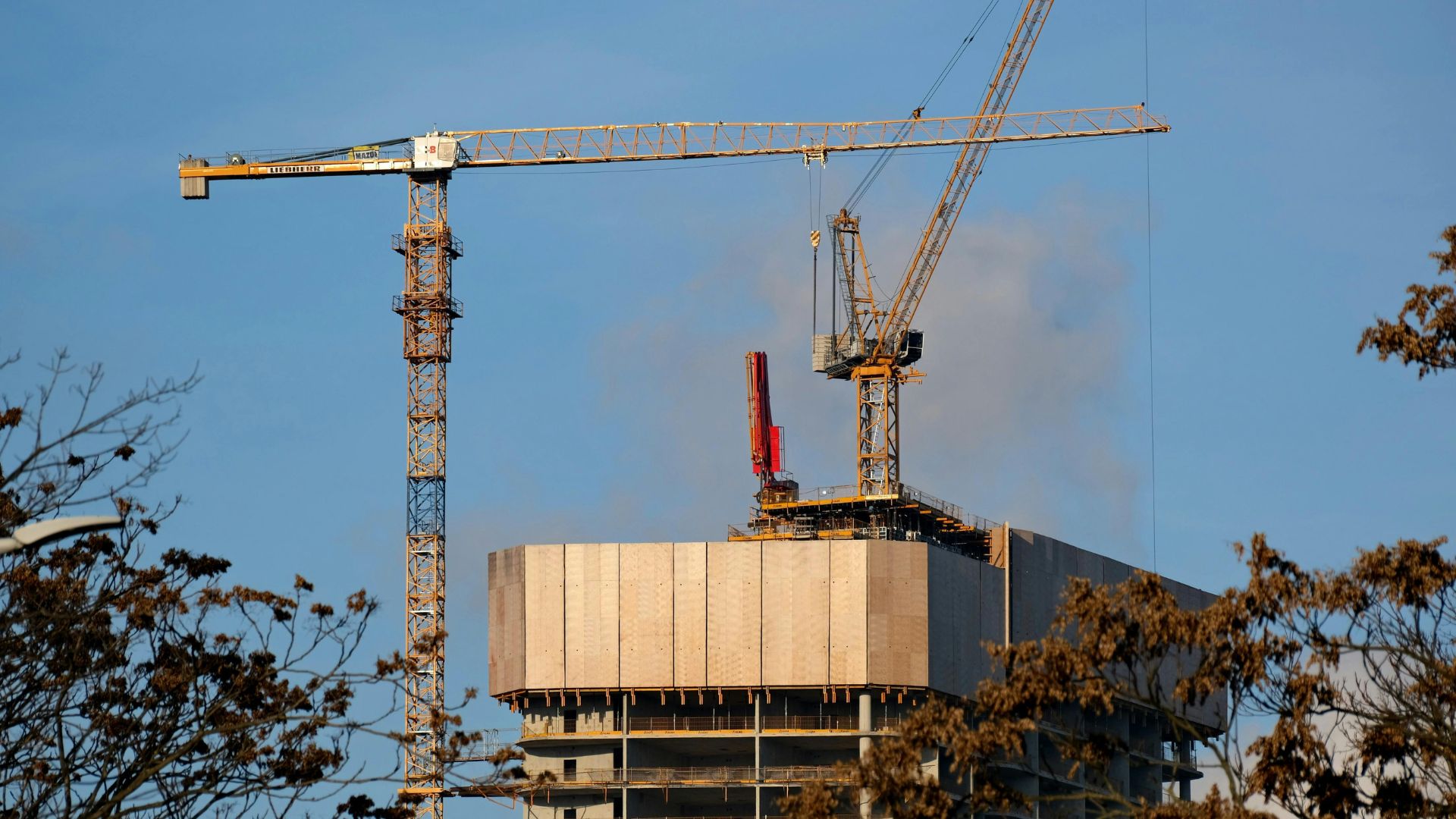
Western Australia is home to some of Australia’s largest mining operations, industrial developments, and infrastructure projects. The state’s economy depends on reliable facilities, transportation networks, utility systems, and resource processing infrastructure that support both regional and global industries. Delivering these projects requires integrated construction services that combine planning, engineering, project management, construction expertise, and quality control.
Integrated construction services provide a streamlined approach to project delivery. Instead of managing multiple contractors independently, project owners benefit from coordinated services that improve communication, reduce delays, and support efficient project execution. This approach is particularly valuable for mining and infrastructure projects where technical complexity, strict compliance requirements, and large budgets demand careful management.
Industrial infrastructure services in Western Australia play a critical role in supporting the development of facilities and infrastructure that contribute to economic growth, industrial productivity, and long-term operational success.
What Are Integrated Construction Services?
Integrated construction services combine multiple stages of project delivery into a coordinated process. These services often include project planning, engineering coordination, procurement, civil works, structural construction, mechanical installation, electrical systems, commissioning, and ongoing support.
This approach allows construction teams to manage project activities more efficiently while maintaining clear communication between stakeholders. Project owners gain better visibility into schedules, costs, and project performance throughout the construction lifecycle.
Integrated construction models are widely used across mining, industrial, commercial, and infrastructure sectors because they help reduce risks and improve project outcomes.
Industrial infrastructure services in Western Australia frequently incorporate integrated delivery methods to ensure projects meet operational objectives and regulatory requirements.
Construction Solutions for Mining Projects
Mining remains one of the most important industries in Western Australia. The state produces significant quantities of iron ore, lithium, gold, nickel, and other mineral resources that support domestic and international markets.
Mining operations require extensive infrastructure to support extraction, processing, transportation, maintenance, and workforce accommodation. Construction services are used to develop processing facilities, crushing plants, conveyor systems, workshops, storage facilities, haul roads, and water management infrastructure.
Many mining developments are located in remote areas where logistical planning is essential. Construction contractors coordinate workforce accommodation, equipment transport, material procurement, and site operations to maintain project schedules and operational efficiency.
Industrial infrastructure services in Western Australia support mining companies by delivering reliable infrastructure that helps maintain productivity and long-term operational performance.
Infrastructure Construction Across Western Australia
Infrastructure projects are essential for supporting industry, commerce, and community development throughout Western Australia. Roads, bridges, rail systems, airports, ports, utility networks, and water infrastructure provide critical connections between businesses, industries, and regional communities.
Infrastructure construction requires extensive planning, engineering expertise, and project coordination. Construction contractors manage earthworks, drainage systems, utility installations, structural concrete works, road construction, and transportation infrastructure development.
Modern infrastructure projects are designed to support future growth while meeting current operational requirements. Reliable infrastructure improves transportation efficiency, strengthens supply chains, and enhances access to essential services.
Construction teams apply integrated project management strategies to ensure infrastructure projects are delivered safely, efficiently, and according to engineering standards.
Industrial Facility Construction
Industrial facilities are essential for manufacturing, logistics, resource processing, and energy production. These facilities require specialized construction solutions capable of supporting demanding operational environments.
Industrial projects often include processing plants, manufacturing facilities, storage terminals, workshops, warehouses, logistics centers, and utility infrastructure. Construction contractors coordinate structural works, mechanical installations, electrical systems, and supporting infrastructure to ensure facilities meet operational requirements.
Industrial infrastructure services in Western Australia help organizations construct facilities that improve productivity, support business growth, and enhance long-term operational reliability.
Industrial developments often involve advanced engineering requirements that demand experienced construction teams and effective project coordination.
Project Management and Resource Coordination
Project management is a key component of integrated construction services. Construction managers oversee procurement, scheduling, budgeting, workforce allocation, subcontractor management, quality assurance, and stakeholder communication.
Effective project management helps ensure resources are available when needed and construction activities remain aligned with project objectives. Early identification of potential challenges allows project teams to implement solutions before delays occur.
Integrated project management systems provide real-time visibility into project performance, helping stakeholders make informed decisions throughout the construction process.
Strong project management contributes to improved efficiency, cost control, and successful project delivery.
Safety and Compliance in Construction
Safety remains a priority across all mining and infrastructure projects. Construction contractors implement comprehensive safety management systems designed to identify hazards, reduce risks, and protect workers.
Safety measures typically include workforce training, risk assessments, site inspections, equipment maintenance, and emergency response procedures. These practices help maintain compliance with Australian workplace health and safety regulations.
Construction companies must also comply with environmental regulations, engineering standards, and project-specific requirements. Compliance programs help ensure projects are completed responsibly and according to legal obligations.
Industrial infrastructure services in Western Australia are delivered through structured safety and compliance frameworks that support safe and efficient project execution.
Quality Assurance and Long-Term Asset Performance
Quality assurance is essential for ensuring infrastructure and industrial facilities perform effectively throughout their operational life. Construction contractors implement inspection programs, testing procedures, and quality control measures during every project stage.
Materials, structural systems, mechanical installations, and electrical infrastructure are evaluated to confirm compliance with project specifications and engineering requirements.
Quality-focused construction practices improve asset durability, reduce maintenance costs, and support long-term operational performance. Organizations benefit from infrastructure that delivers reliable service and long-term value.
Frequently Asked Questions
What are integrated construction services?
Integrated construction services combine planning, engineering, procurement, construction, project management, and commissioning into a coordinated delivery process that improves efficiency and project outcomes.
Why are Industrial infrastructure services in Western Australia important?
Industrial infrastructure services in Western Australia support the construction, maintenance, and expansion of facilities required for mining, manufacturing, logistics, transportation, energy production, and industrial operations.
What types of mining infrastructure are commonly constructed?
Mining infrastructure includes processing plants, crushing facilities, conveyor systems, workshops, storage facilities, accommodation villages, haul roads, and water management systems.
What infrastructure projects are commonly delivered in Western Australia?
Infrastructure projects include roads, bridges, rail networks, airports, ports, utility systems, drainage networks, pipelines, and public infrastructure developments.
How does project management improve construction outcomes?
Project management helps coordinate schedules, budgets, resources, procurement activities, quality control, and stakeholder communication to ensure projects are delivered efficiently and according to project requirements.
Conclusion
Integrated construction services provide an effective solution for delivering mining and infrastructure projects across Western Australia. Through coordinated planning, engineering, construction, and project management, contractors help organizations complete complex developments safely and efficiently. These services support the construction of mining facilities, industrial plants, transportation infrastructure, and utility systems that are essential for economic growth and operational success. As investment in major projects continues throughout the state, Industrial infrastructure services in Western Australia will remain critical for building and maintaining the infrastructure needed to support future industry development and regional growth.
Leave a Reply