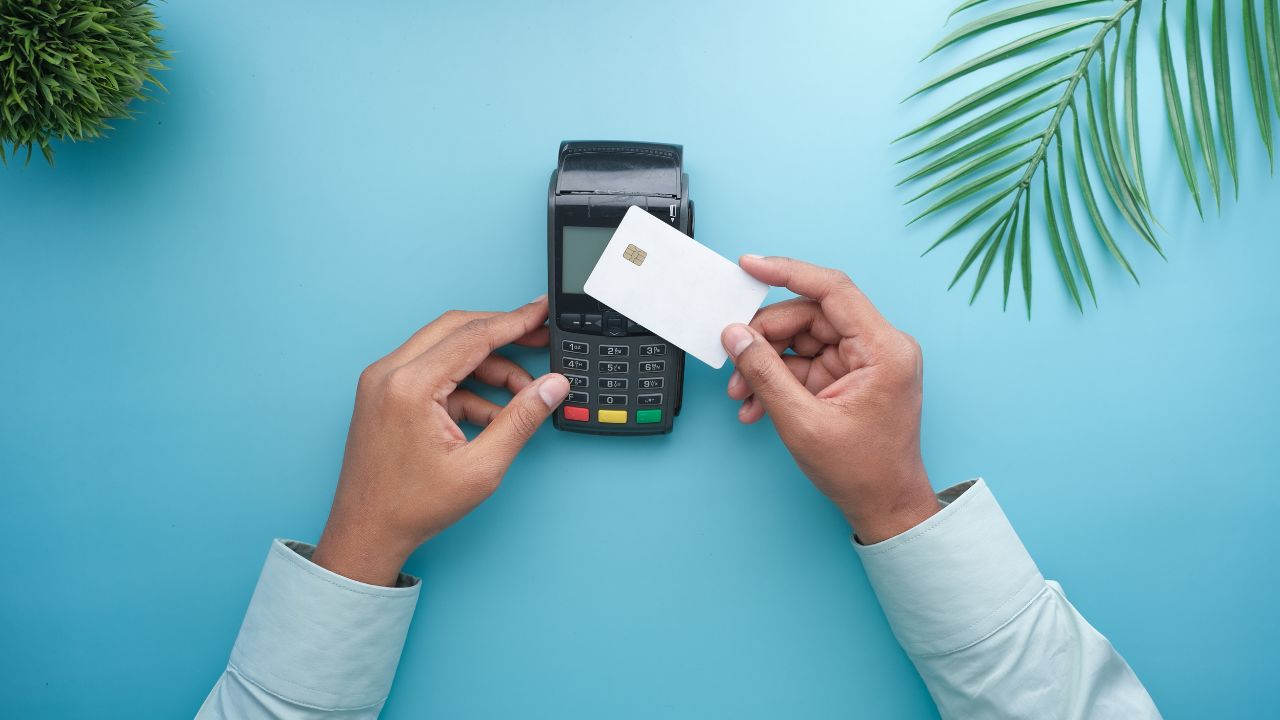
Here is a common mix-up (an example, not a real case). A freelancer reads that single-use virtual cards are the safest way to pay online, so she creates one for her design software. The first month goes through. The second month, the renewal is declined, the account drops to the free tier, and a client deliverable sits locked behind an expired plan. The card did what it was built to do: it worked once and then shut down. It was simply the wrong type for a subscription.
Virtual cards come in more than one type, and the labels get used loosely. A reloadable virtual card, a multi-use card and a single-use card each solve a different problem. This guide explains what each type does, shows which payments suit which type, and gives you a decision matrix you can use the next time you set up a payment.
The three questions that define a card type
Most confusion clears up once you separate three questions that providers often blend together:
- How many charges can the card accept? A single-use card accepts one payment. A multi-use card accepts many, until it expires or runs out of funds.
- Can you add money after you get it? A reloadable card lets you add funds after the first load. A non-reloadable card spends only what it started with.
- Where do the funds sit? Some cards hold their own balance. Others draw from a shared account or a line of credit.
A card can combine these in different ways. A multi-use card can be non-reloadable, and a reloadable card is almost always multi-use. Reading a provider’s terms with these three questions in mind tells you more than the product name does.
Single-use virtual cards
A single-use card is a card number generated for one transaction. Once that payment goes through, the number stops working, so a merchant that stores it cannot charge it again.
Where single-use cards work well
- One-off purchases from a website you have not used before.
- Paying a new vendor for the first time without giving them an ongoing payment method.
- Booking a one-time service where the exact amount is known up front.
Where they cause problems
- Subscriptions. The renewal is a second charge, and it will fail.
- Ad accounts. Platforms charge repeatedly as spend builds up.
- Refunds. Returning money to a closed number can take extra steps, depending on the provider.
- Pre-authorizations. Hotels and rentals often place a hold and charge later, which can fail on a number that has already been used.
Multi-use virtual cards
A multi-use card keeps working across many payments until it expires, is closed or runs out of money. This is the type most businesses use for recurring vendors: one card per subscription, tool or ad account. The card number stays the same, so renewals keep going through, and if one vendor is breached you replace only that card.
A multi-use card does not have to be reloadable. Some are funded once with a fixed amount and keep accepting charges until that amount is spent.
Reloadable virtual cards
A reloadable card lets you add money after you first get it. In the US, the CFPB describes these as cards you can add more money to, sometimes called general purpose reloadable (GPR) cards, and the CFPB’s prepaid card glossary notes that some cards must be registered before they can be reloaded.
Reloading is useful when you want to keep the same card number on a vendor for a long time while controlling how much it holds. You top up the card for each month’s expected charges, and anything beyond that is declined. The trade-off is effort: someone has to remember to reload it, and a missed reload looks exactly like any other decline to the vendor.
Comparison table
| Feature | Single-use | Multi-use, fixed funds | Reloadable |
|---|---|---|---|
| Number of charges | One | Many, until funds or validity run out | Many |
| Add money later | No | No | Yes |
| Works for subscriptions | No, renewals fail | Yes, while funds last | Yes |
| Works for ad accounts | No | Yes, while funds last | Yes |
| Exposure if a merchant leaks it | Very low, the number is spent | Limited to the funds on that card | Limited to the funds on that card |
| Ongoing effort | New card for each purchase | Replace when funds run low | Reload on schedule |
Decision matrix by payment type
| Payment | Best type | Why |
|---|---|---|
| One-off purchase on an unfamiliar site | Single-use | The number cannot be reused if the site stores it |
| Monthly or annual SaaS subscription | Multi-use or reloadable | Renewals need the same number to keep working |
| Ad account billing | Multi-use or reloadable, one per account | Platforms charge often and pause ads on a decline |
| Usage-based cloud or API billing | Reloadable or multi-use with a buffer | Charges vary month to month |
| First payment to a new vendor | Single-use | Lets you test the vendor before giving it a lasting card |
| Hotel or rental with a deposit hold | Physical or multi-use card | Holds and later charges can fail on a spent number |
A simple rule covers most cases: if the merchant will ever charge you again, do not use a single-use card.
Where ZenVCC fits
It helps to be precise about which type a provider offers, because product names can mislead. ZenVCC is a prepaid virtual card platform, not a bank. It does not offer single-use or disposable numbers. Its cards are multi-use prepaid cards: you fund one account balance with crypto (Bitcoin, USDT on TRC-20 or Solana, TRX or SOL), buy a card from that balance, and the card keeps accepting charges while it has funds and stays valid for three years from the day it is ready.
On reloading, read the fine print. Some cards in the ZenVCC catalog carry “Reloadable” in their names, such as the Mastercard Reloadable Classic, but ZenVCC’s own card-declines page says cards can’t be topped up from the dashboard, and advises using a card that covers the charge when one runs low. In practice, treat these as multi-use cards with fixed funds and plan to buy a new card rather than reload an old one.
That makes it a fit for the middle column of the table: one card per subscription, tool or ad account, with costs that are easy to plan. Each card has a one-time $10 issue fee, each payment costs $0.10, and there is no monthly fee. If a card cannot be prepared, the full amount, including the issue fee, returns to your balance. For one-off purchases on unfamiliar sites, a provider that issues true single-use numbers is the better choice. You can read ZenVCC’s guide to how its virtual cards work for the details on funding and fees.
Mistakes to avoid
- Putting a subscription on a single-use card. The renewal will fail, sometimes without a clear warning from the vendor.
- Assuming “reloadable” in a name means you can reload it. Check the provider’s terms for how, and whether, funds can be added.
- Letting a fixed-funds card run dry. Track renewal dates and replace the card before the balance gets close to the next charge.
- Sharing one multi-use card across many vendors. You lose most of the protection that separate cards give you.
Key takeaways
- Card type comes down to three questions: how many charges, whether funds can be added, and where the funds sit.
- Single-use cards suit one-off purchases and first payments to new vendors, never subscriptions.
- Multi-use and reloadable cards suit anything that bills more than once, ideally one card per vendor.
- Product names are not proof. Confirm in the terms whether a card can be reloaded.
Look at your last month of card charges and sort each one into the matrix above; you will quickly see which payments need which card type. If you want multi-use prepaid cards for recurring vendors, take a look at ZenVCC and compare it with your current setup.
Leave a Reply