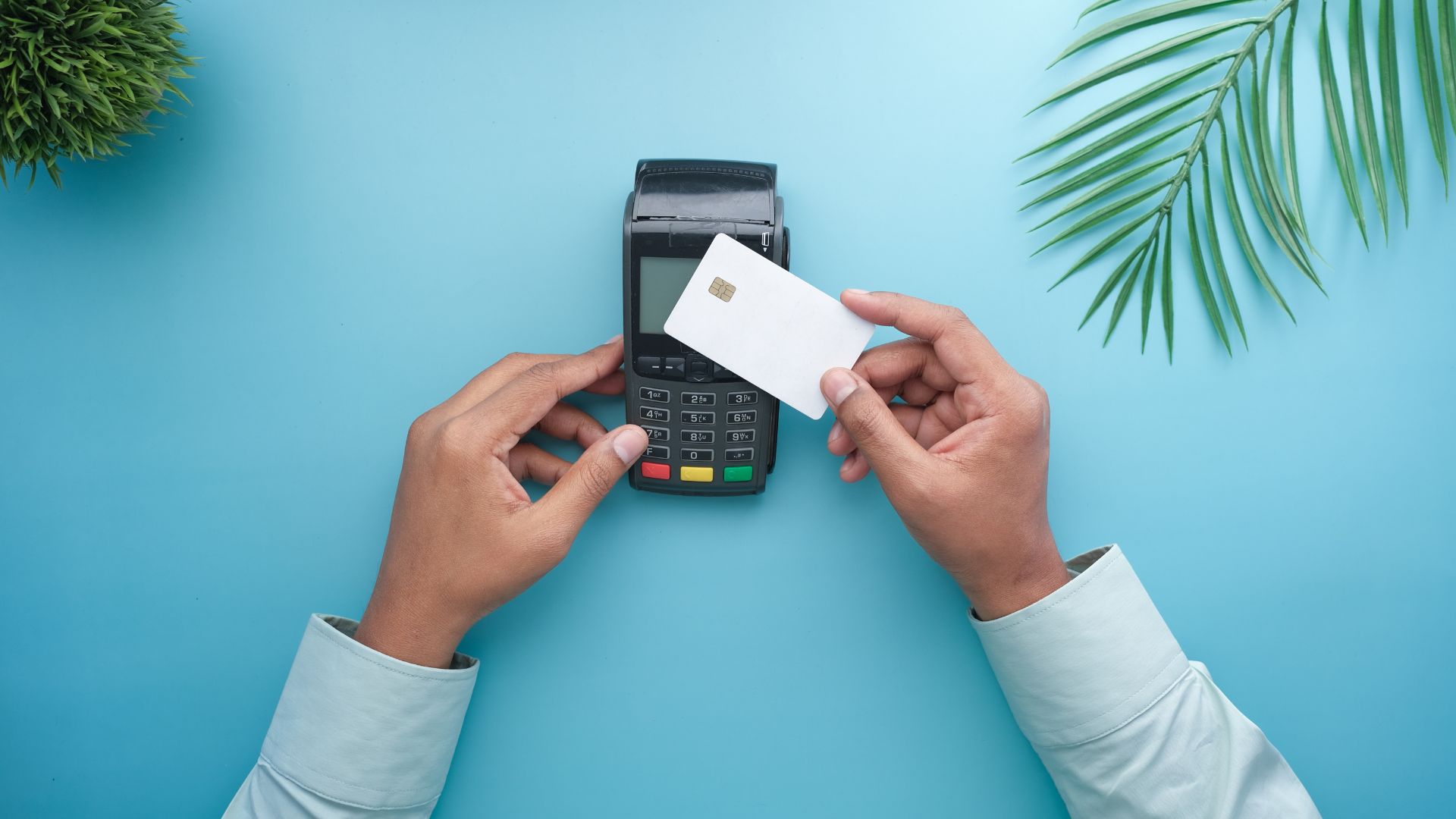
Virtual cards give you tighter control and stronger fraud protection for online purchases in Portugal — you get disposable or limited-use numbers, real-time alerts, and masked details that keep shops from seeing your main account. Major banks and fintechs offer instant setup, but expect occasional merchant rejections, 3D Secure or AVS hiccups, and headaches with some subscriptions or rentals. They’re great for one-offs and safer shopping; keep a backup card handy and continue to learn how to use them best.
What Is a Virtual Card in Portugal?
A virtual card in Portugal is a digital-only payment card you use for online or phone purchases without a physical plastic card. Banks and fintechs generate it instantly within an app or web portal, providing a card number, expiry date, and security code that work like a regular card but can be single-use, limited to a merchant, or set with spending limits for extra control.
You’ll manage the card from your smartphone, activating, freezing, or deleting it in seconds. That gives you strong digital security by isolating transactions and reducing exposure of your main account details.
You’ll enjoy payment convenience through instant issuance and tailored controls, making subscriptions, one-off buys, and international payments simpler while limiting fraud risk.
Portuguese Banks & Apps That Offer Virtual Cards
You’ll want to check both major Portuguese banks and digital-only providers to see who issues virtual cards and how they differ.
Compare features like single-use numbers, spending limits, currency support, and fees to find the best fit.
I’ll walk you through key banks and apps and a concise comparison of their card features.
Major Portuguese Banks
When you’re choosing a bank in Portugal, look for institutions that already integrate virtual cards into their mobile apps and online services; this keeps sign-up, card management, and spending controls simple and fast.
Major Portuguese banks like Millennium bcp, Caixa Geral de Depósitos and Banco Santander Totta have added virtual-card features to leverage modern banking technology and strengthen digital security.
You’ll find familiar apps let you generate single-use numbers, set limits, freeze cards and review transactions instantly. If you already bank with one of these incumbents, you’ll avoid switching providers while keeping oversight centralised.
Check fees, compatibility with international merchants, and whether the app supports tokenisation for mobile wallets.
Compare limits and customer support response times before you rely on a virtual card for regular online purchases.
Digital-Only Providers
If you prefer fully digital experiences over traditional banks, several Portuguese digital-only providers and fintech apps specialise in virtual cards and streamlined online payment tools.
You’ll find apps that let you create single-use or controlled virtual cards inside digital wallets, so you can shop without exposing your main account.
These providers often push fast onboarding, intuitive interfaces, and strong security features like tokenisation and real-time notifications.
They suit you if you value convenience, spending control, and quick card management from your phone.
Expect competitive fees and easy card freezing, though customer support can vary.
Choose a provider that matches your comfort with app-first banking and integrates smoothly with your everyday digital wallets.
- Excited about instant control?
- Relieved by added safety?
- Confident with quick freezes?
- Frustrated if support lags?
- Empowered by spending limits?
Card Features Comparison
Although digital-only apps and traditional banks both offer virtual cards, their feature sets can differ significantly. You’ll want to compare issuance types (single-use vs. reusable), custom spending controls, tokenisation and 3D Secure support, card lifecycle tools (instant freeze, expiry management, and easy replacement), and fee structures to pick the best fit for your habits and security needs.
Look at major Portuguese banks and fintechs: many apps give instant issuance, per-transaction limits, and disposable numbers, while some banks bundle virtual cards with existing account services.
Check security features like biometric access, real-time alerts, and tokenisation. Review usage statistics from providers if available to judge reliability and fraud rates.
Finally, weigh costs, cross-border fees, and merchant acceptance before deciding.
The Buffer That Made Online Spending Feel Safe
For years we figured shopping online just meant trusting every site with our card. A friend who’d survived a fraud scare insisted otherwise. She recommended the Qwikvcc virtual credit card, and the change was instant. Every merchant draws on a unique prepaid card, each capped and disposable, while our bank account stays untouched. Treating a VCC as a buffer between you and the internet turns out to be one of the simplest security upgrades going.
How Virtual Cards Cut Fraud and Protect Data
You can limit exposure by using single-use or time-limited virtual numbers that stop working after a purchase.
Masked card details mean merchants never see your real card info, so stolen data is useless.
And with real-time transaction alerts you’ll spot and stop suspicious charges immediately.
Limited-Use Numbers
When you use a virtual card with a limited-use number, each transaction gets its own unique card details that expire after one payment or a short time window.
You’ll see clear limited use benefits: stolen numbers aren’t reusable, merchants can’t store your live card, and automated fraud attempts fail quickly.
But be aware of limited use drawbacks: one-time numbers can complicate refunds or recurring purchases if you don’t plan ahead.
- Relief knowing thieves can’t reuse a number
- Anger when a refund stalls because the number expired
- Confidence in shopping at unfamiliar Portuguese merchants
- Frustration if a subscription needs a permanent card
- Peace of mind when your payment data isn’t broadly exposed
Masked Card Details
Because virtual cards replace your real card number with masked details, merchants and data breaches only ever see a throwaway identifier instead of your live account, cutting exposure and fraud risk.
You’ll benefit from masked card security because each virtual number limits what’s stored by sellers and what criminals can reuse.
Virtual card anonymity keeps your primary account and personal billing info out of merchant databases and reduces linkability across sites.
When a token is compromised you can cancel or expire it without affecting other payments, so recovery is quick and contained.
You should still monitor statements and use providers with strong authentication, but masked details make routine online shopping far safer by narrowing attack surfaces and containing breaches to disposable identifiers.
Real-Time Transaction Alerts
If a charge hits a virtual card, you’ll usually get an immediate alert so you can verify it on the spot and stop fraud before it spreads.
Real time notifications pair with transaction monitoring so you see each swipe, online purchase, or subscription in seconds. You can flag unfamiliar charges instantly, freeze or cancel the virtual number, and provide clear evidence to your bank.
That rapid loop cuts losses and reduces stress, since you won’t be guessing about when or how data was exposed. These alerts also limit merchant access to long-term card details, protecting future purchases and your identity.
- Relief when a weird charge appears
- Confidence to shop freely
- Anger turned into action
- Calm after blocking fraud
- Trust restored with proof
When Virtual Cards Fail: Merchant Rejection & Errors
Although virtual cards cut fraud and simplify payments, you’ll still run into merchant rejections and processing errors that stop a purchase cold.
You may face merchant compliance issues when a seller’s system can’t validate a one-time number or rejects unfamiliar BIN ranges, so always have a backup card.
Transaction processing challenges — like 3D Secure mismatches, AVS failures, or tokenization gaps — can trigger declines even if funds are available.
If an online checkout fails, retry with correct billing details, clear cached data, or contact the merchant to confirm they accept virtual or international BINs.
Keep screenshots and transaction IDs for disputes, and reach out to your card issuer promptly to resolve authorization holds or request a reissue.
Will Virtual Cards Break Your Subscriptions?
If you use virtual cards for recurring services, you’ll need to check whether the merchant accepts them for ongoing billing.
Ask how often your provider rotates card numbers and whether they offer a stable number or a long-lived token for subscriptions.
Otherwise, a rotated or single-use number can cause failed payments and interrupted access.
Recurring Billing Compatibility
When you switch to virtual credit cards, recurring subscriptions can keep running—but you’ll need to set them up correctly. You’ll want to confirm each recurring payment uses the virtual card details or a linked token so subscription management stays seamless.
Check billing flexibility options the merchant offers, because some services don’t accept temporary numbers. Test one subscription first to verify the user experience and avoid service interruptions.
Keep records of renewal dates and amounts so you can update cards before expiry or cancellation.
- Relief: no more fear of unexpected charges
- Frustration: extra steps to update payment info
- Confidence: control over where money goes
- Anxiety: worries about failed renewals
- Empowerment: better subscription management and clarity
Card Number Rotation
Because virtual cards can regenerate numbers regularly, you’ll want to know how rotation affects subscriptions and automated payments. You’ll get strong card security and fraud prevention because rotated numbers limit exposure if a merchant is breached.
That can complicate subscription management: recurring billing often needs a stable number, so you’ll have to update merchants or use a persistent virtual number option.
For online shopping and one‑off purchases, rotation boosts protection without extra effort, preserving transaction convenience.
To keep usage flexibility, check if your provider offers controls for which cards rotate and which remain fixed, and use payment tracking tools to reconcile charges.
Plan ahead: decide which subscriptions need a permanent card and which can use rotating numbers.
Virtual Card Fees, Limits and FX in Portugal
Though virtual cards cut fraud risk and simplify online payments, you’ll still face fees, spending limits, and currency conversion rules that affect their cost and convenience in Portugal.
You should check virtual card fees—issuance, monthly, or per-transaction charges can add up. Transaction limits vary by provider: some let you set one-off caps, others impose daily or monthly ceilings that may block larger purchases.
Foreign exchange handling matters if you buy from non-euro merchants; providers may apply markups or dynamic currency conversion. Compare effective exchange rates and whether your bank uses mid-market rates or adds a percentage.
Read terms for refunds, cross-border fees, and replacement policies so you won’t be surprised.
- Frustration when a card declines mid-checkout
- Relief from lower fraud exposure
- Anger over hidden fees
- Comfort in clear limits
- Anxiety about poor FX rates
Best Everyday Uses for Virtual Cards
If you want smarter, safer everyday spending, virtual cards fit a surprising range of routine purchases: subscriptions, one‑off online orders, meal delivery, and recurring services where you’d rather not share your real card details.
You can use them for online shopping and subscription services to isolate vendors and limit exposure. They’re handy for travel bookings and event tickets when you want controlled authorizations, and for gift purchases so refunds don’t affect your main account.
Use virtual cards in mobile apps for food delivery and digital services, or set temporary numbers for utility payments and other recurring bills.
Keep one reserved for emergency expenses to avoid scrambling a physical card.
Pick cards with easy management and clear expiry controls for optimal daily use.
Poor Fits: When Not to Use a Virtual Card
Virtual cards handle lots of everyday transactions well, but they aren’t the right tool for every payment. You should avoid them when a merchant needs a persistent card on file, when recurring subscriptions must survive token changes, or when refunds and disputes require the original long‑lived number.
They can also complicate travel bookings or car rentals that preauthorize large holds, causing payment delays or rejection.
- You feel trapped if a hotel won’t accept temporary numbers.
- You panic when a car hire preauthorization fails at the counter.
- You get frustrated when refunds go to a closed virtual account.
- You worry about fraud risks if a merchant’s systems mishandle tokens.
- You lose time untangling failed recurring payments.
Set Up a Virtual Card (Step‑by‑Step)
Before you start, gather your ID, a Portuguese billing address, and the cardless app or bank website you’ll use—this will make the process quick and error‑free.
Open the app or site, sign in, and choose “create virtual card.” Verify your identity when prompted, using the ID and address.
Select card limits: single‑use or reusable, spending cap, and expiry. Link the virtual card to your funding account and confirm.
Note settings for notifications to track each charge—this boosts virtual card security and helps with transaction management.
Test with a small purchase or merchant that supports virtual cards. Save the virtual card details securely in the app only; don’t email numbers.
Destroy or cancel cards when you’re done.
Checklist: Choosing the Right Virtual Card Provider
Now that you’ve set up a virtual card and tested it, pick a provider that matches how you’ll actually use the card. Focus on provider reputation and scan user reviews to feel confident.
Then compare security features and clear fee structures. Check customer support responsiveness, integration options with your apps, and mobile compatibility so things don’t break when you need them.
Confirm transaction limits, card expiration policies, and whether ease of use is real in the app.
- Imagine relief when customer support answers fast
- Picture frustration avoided by transparent fee structures
- Feel secure with strong security features in place
- Enjoy convenience from smooth integration options
- Trust grows when user reviews back the provider reputation
Quick Decision Guide: Should You Use Virtual Cards in Portugal?
Wondering if a virtual card fits your spending habits in Portugal? Ask whether you frequently shop online, travel, or need one-time payment controls.
If you value extra security measures like disposable numbers and spending limits, virtual cards reduce fraud risk and simplify dispute handling.
Consider merchant acceptance—some local services still prefer physical cards or MB WAY. Evaluate fees, currency conversion, and whether the provider offers seamless user experience on mobile apps and customer support in Portuguese.
If you want tight control for subscriptions or cross-border purchases, virtual cards help.
If you rely on in-person payments, cashbacks tied to physical cards, or need broad merchant compatibility, stick with traditional cards.
Choose based on your typical transactions and comfort with digital tools.
Frequently Asked Questions
Can Virtual Cards Be Shared Between Family Members or Roommates?
Yes — you can share virtual cards with family sharing tools some issuers offer, but you’ll face security concerns: you should set limits, monitor transactions, and only share with trusted roommates or relatives to avoid fraud or misuse.
Do Virtual Cards Affect Mortgage or Loan Application Credit Checks?
Like a shadow, virtual cards usually don’t show on credit reports, so they won’t directly affect mortgage or loan application credit checks. You should still do an impact assessment, since issuer reporting can influence credit scoring indirectly.
Can I Use a Virtual Card to Receive Refunds or Chargebacks in Portugal?
Yes — you can usually receive refunds and pursue chargebacks with virtual cards in Portugal; just check refund processing times and issuer chargeback policies, keep transaction records, and contact your card provider promptly if disputes or delays arise.
Are Virtual Cards Covered by EU Consumer Protection Laws During Disputes?
Yes — you’re generally protected: virtual card security doesn’t remove EU consumer rights, so you can pursue disputes, chargebacks, and refunds under EU rules, though specific coverage and bank procedures can affect how claims are handled.
Can I Use Virtual Cards for Recurring Public Transport or NFC Payments?
Absolutely — you can’t always use virtual cards for recurring public transport or NFC payments, but many issuers support them: virtual card benefits and security features shine for one‑off online payments, while contactless/subscription support varies by issuer.
Final words
Choose carefully: virtual cards can curb costly card-cloning, cut checkout confusion, and conceal credentials, but they can complicate continuous charges, confuse certain merchants, and create cancellation car-crashes. In Portugal, pick providers with plain policies, prompt portability, and robust protections. Try a temporary test, track transactions, and toggle limits. If subscriptions, recurring rentals, or refunds matter most, stick with standard cards—otherwise, switch to virtuals for secure, smart, streamlined spending.
Leave a Reply